Handling a Hoarding Situation With Kindness
When someone you love has filled their home to the point where it isn’t safe or comfortable, it’s hard to know what to say or do. The most important thing is to lead with respect. Here is some practical, gentle guidance for families.
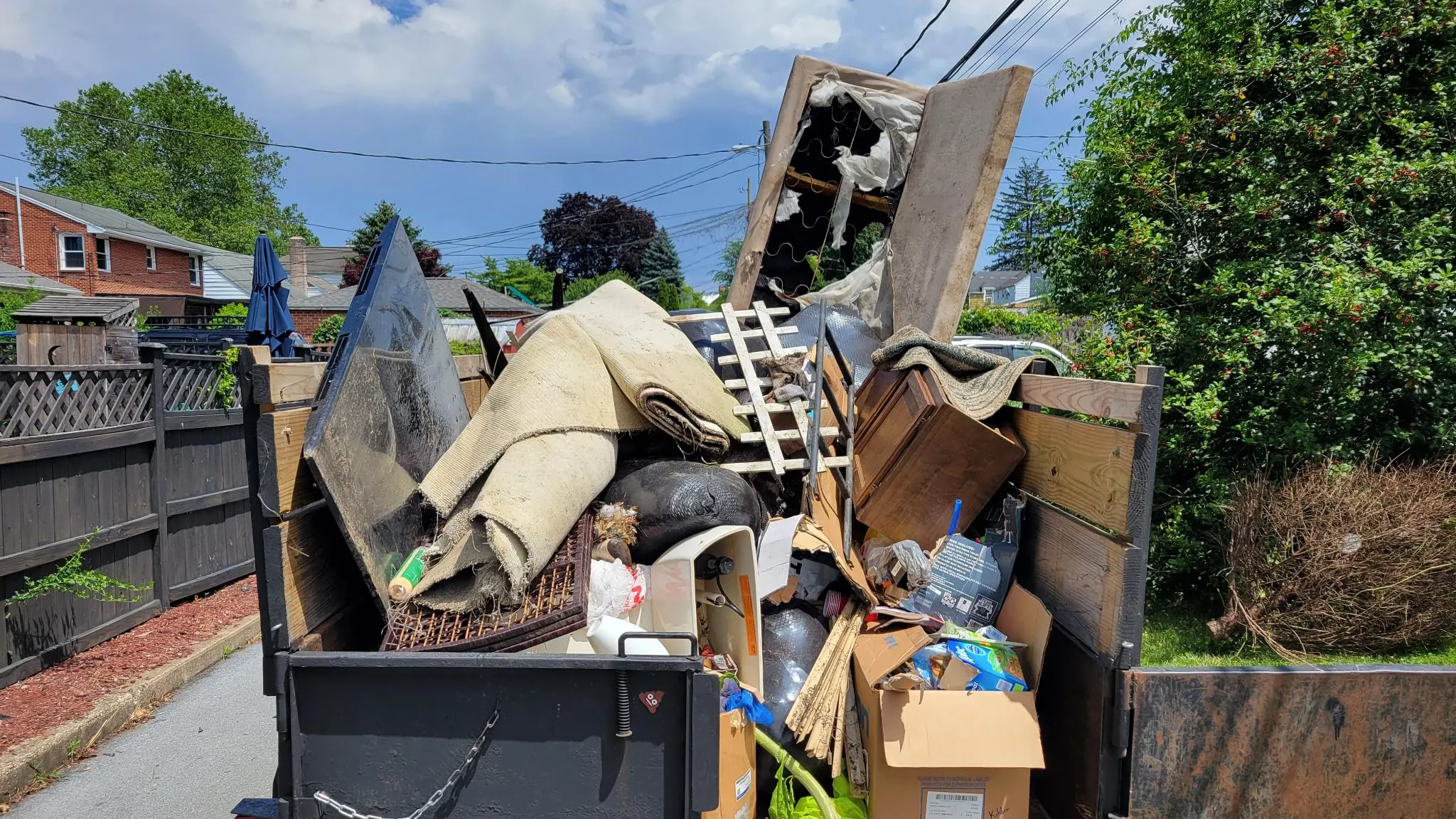
Start with understanding, not judgement
Hoarding is rarely about laziness or not caring. For many people, the things in their home are tied to memories, security, worry about waste, or loss. Being told it’s all “junk” can feel like being told their life doesn’t matter.
Try to keep a few things in mind:
Try to keep a few things in mind:
- Your loved one is a person first. The home is the problem, not them.
- Change usually comes slowly, and pushing hard often makes people dig in.
- The goal is a home that’s safe and liveable, not a perfect, empty house.
- You don’t have to understand every reason to be patient with it.
Safety comes first
Even when the conversation is hard, some things can’t wait. Look out for:
- Blocked exits, hallways or stairs
- Items piled near the furnace, stove, space heaters or electrical outlets
- Smoke detectors that are covered, missing or not working
- Spoiled food, pests, mould or strong odours
- Stacks that could fall, or floors that feel soft
- A loved one who can’t reach the bathroom, kitchen or bed easily
How to talk about it
How you start matters more than what you say. Choose a calm moment, in private, when nobody is rushed.
Things that tend to help:
Things that tend to help:
- “I love you and I’m worried about you getting hurt.”
- “Could we start by making the hallway safe? Just that for now.”
- “You decide what stays. I’m here to help carry things.”
- “What’s most important to you in this room?”
- Calling belongings “trash” or “junk”
- Clearing things out while they’re away
- Comparing them to TV shows
- Setting big, all-or-nothing deadlines
Where to begin
When your loved one is ready, start small and keep them involved:
A note on keepsakes: in very full homes, important things are often mixed in with everything else. Look carefully for photographs, letters, cash, jewellery, medications and documents such as deeds, insurance papers and military records. Set up one clearly marked box for anything important, and go through it together. Finding a lost photo album during a session can turn a hard day into a good one, and it shows your loved one that their things are being treated with care.
- Pick one area, ideally one that improves safety: the front door path, the kitchen or the bathroom.
- Agree on simple categories: keep, give away, recycle, let go.
- Let them hold the decisions. Ask, don’t take. Accept that some things you’d let go will stay.
- Take things out the same day. Bags left by the door often find their way back in.
- Celebrate the progress. A clear hallway or a usable kitchen table is a real step.
A note on keepsakes: in very full homes, important things are often mixed in with everything else. Look carefully for photographs, letters, cash, jewellery, medications and documents such as deeds, insurance papers and military records. Set up one clearly marked box for anything important, and go through it together. Finding a lost photo album during a session can turn a hard day into a good one, and it shows your loved one that their things are being treated with care.
Ways to support between sessions
Much of the progress happens in the days between cleanout sessions. A few gentle habits can help keep things moving without pressure:
- Stay in touch about other things. Call to talk about family, a ball game or the weather, not just the house. Your relationship matters more than the timeline.
- Notice and name the progress. “The kitchen looks so much brighter now” goes further than pointing out what’s left.
- Help with the inflow. Offer to sort the mail together each week, or to unsubscribe from catalogues.
- Keep promises small and kept. If you said you’d come back Thursday for one hour, do exactly that. Trust grows from reliability.
- Agree on a plan for setbacks. Some rooms may fill up again. That isn’t failure; it’s part of the process. Return to the safety basics and start small again.
When the job is bigger than the family
Some homes are past the point where family can safely clear them alone, especially when there are health concerns, heavy items or a sale or move deadline. Bringing in help isn’t a failure. It can take pressure off everyone.
At Junk Runner, we treat hoarding cleanouts with patience and discretion. We start with photos or a conversation by text, and we work at a pace that respects the person and the home. We text a photo of our crew before we arrive, set aside items to keep or donate as you decide, sort recycling from trash and clean up as we go. We work with family members out of state through texts, photos and video chats too. You can read more about our hoarding cleanouts.
If the home belonged to a loved one who has passed, check with the family’s attorney or executor before removing items. Our estate cleanouts page explains how we help families in that situation.
Looking after yourself
Supporting someone through this is tiring and can bring up frustration, guilt and grief. It’s okay to take breaks, to share the work with other family members, and to look for support for yourself, such as a counsellor or a support group. Progress may be slow, and it may not look the way you imagined. A safer, more comfortable home for someone you love is still worth the effort.
Key takeaways
- Lead with respect: the goal is a safe, liveable home, not an empty one.
- Start with one small safety fix and let your loved one make the decisions.
- Encourage professional support where it fits, and get outside help when the job is too big for family.
Need a hand?
Junk Runner is a family-owned team in East Berlin serving York County. Text us a photo for a free quote, or see our Hoarding Cleanouts.
Related
Common questions
No. We treat every person and every house with respect, patience and discretion.
Yes, and we encourage it. We work at a pace that suits them and set aside anything they want to keep or donate.
Yes. We keep out-of-state family updated through texts, photos and video chats.